

Smart Cost Management in Logistics: Tips for Better Supply Chain Efficiency
Smart Cost Management in Logistics: Tips for Better Supply Chain Efficiency
Smart Cost Management in Logistics: Tips for Better Supply Chain Efficiency
In the fast-paced world of supply chains, logistics costs can quickly spiral out of control if not managed efficiently. From transportation and warehousing to inventory and last-mile delivery, every step adds to the overall expense.Smart cost management in logistics is not just about cutting costs—it’s about optimizing operations, improving efficiency, and delivering better value to customers. Businesses that adopt intelligent strategies can significantly reduce expenses while maintaining high service quality.
Why Smart Cost Management Matters
Efficient cost management plays a vital role in strengthening your supply chain. Here’s why it’s essential:
Minimizes unnecessary operational expenses
Improves speed and efficiency
Enhances customer satisfaction
Supports data-driven decision-making
Increases overall profitabilityKey Cost Drivers in Logistics
Before optimizing costs, it’s important to understand the main areas where expenses occur:
1. Transportation Costs
Fuel and toll expenses
Fleet maintenance
Driver wagesThis is typically the largest cost component in logistics.
2. Warehousing Costs
Storage and rent
Labor and utilities
Equipment and maintenance3. Inventory Costs
Holding and storage costs
Risk of overstocking or stockouts
Insurance4. Last-Mile Delivery Costs
Failed deliveries (RTO)
Route inefficiencies
Customer availability issuesSmart Tips for Better Cost Management
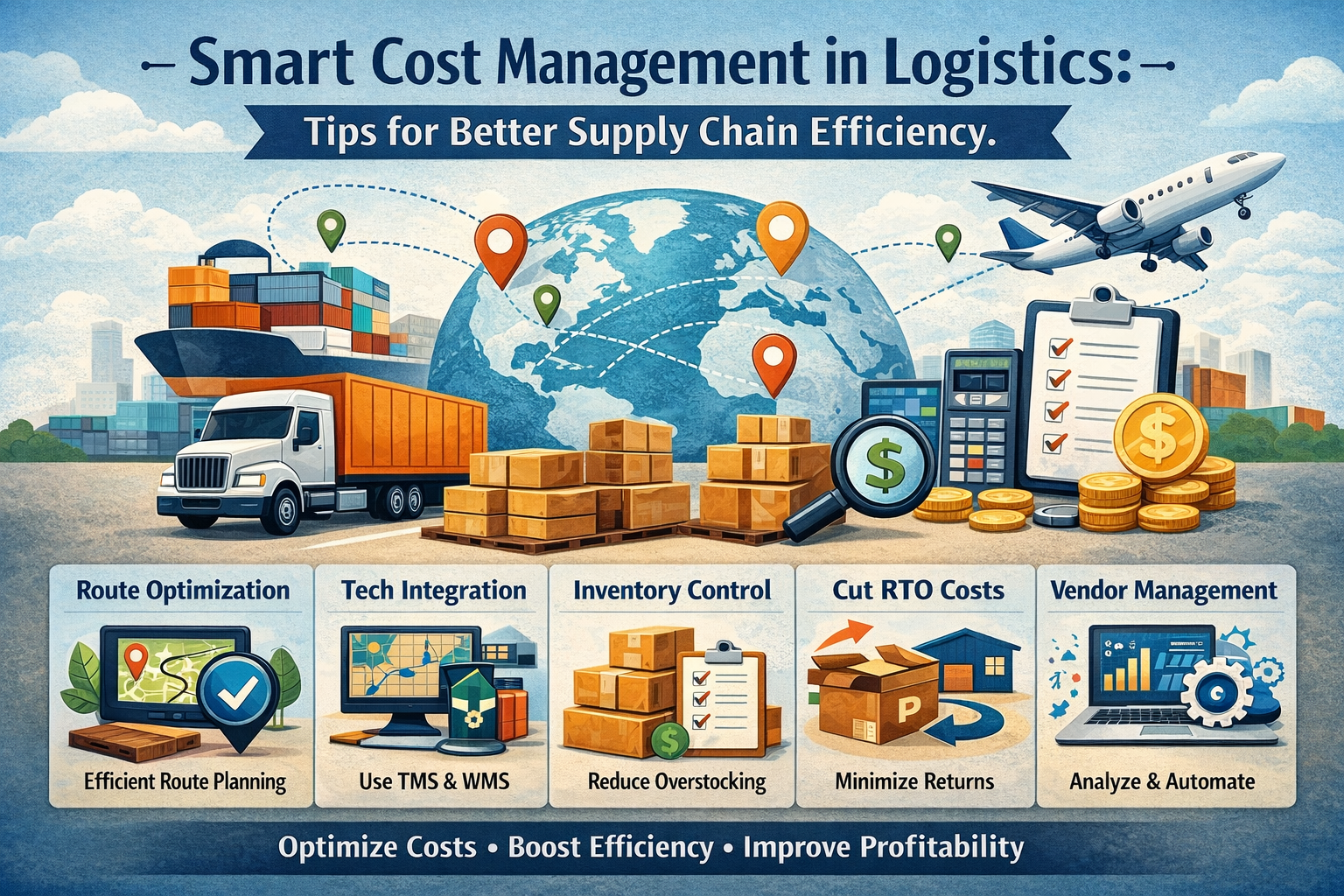
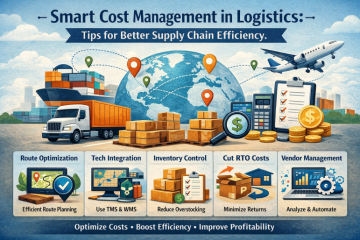
1. Optimize Delivery Routes
Using route optimization tools can help reduce fuel usage and delivery time.
✔ Benefits:
Lower transportation costs
Faster deliveries
Improved productivity2. Leverage Technology
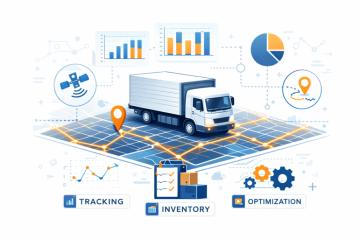
Digital tools can automate and streamline logistics operations.
✔ Solutions include:
Real-time tracking systems
Transportation Management Systems (TMS)
Warehouse Management Systems (WMS)3. Improve Inventory Management
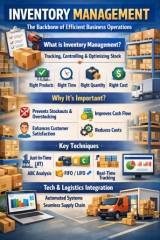
Maintaining the right inventory levels is key to avoiding unnecessary costs.
✔ Best practices:
Demand forecasting
Just-in-Time (JIT) inventory
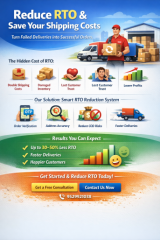
Regular stock audits4. Reduce Return-to-Origin (RTO)
High RTO rates increase logistics costs and reduce efficiency.
✔ How to reduce RTO:
Confirm orders before dispatch
Use accurate address verification
Improve customer communication5. Strengthen Vendor Management
Working with the right logistics partners can make a big difference.
✔ Tips:
Negotiate competitive pricing
Monitor vendor performance
Diversify carriers6. Use Data Analytics
Data helps identify inefficiencies and improve decision-making.
✔ Benefits:
Predict demand trends
Identify cost leakages
Optimize operations7. Automate Processes
Automation reduces manual errors and speeds up operations.
✔ Examples:
Automated order processing
Barcode and RFID tracking
Digital documentationChallenges in Logistics Cost Management
Even with smart strategies, businesses may face challenges such as:
Rising fuel prices
Demand fluctuations
Supply chain disruptions
Inefficient last-mile operations
Future Trends in Smart LogisticsThe future of logistics cost management is driven by innovation:
AI-powered route optimization
IoT-enabled real-time tracking
Sustainable and electric delivery vehicles
Advanced predictive analytics
Share:

0 Comments
Leave a reply