

How Data Monitoring is Transforming the Logistics Industry
Data monitoring is revolutionizing logistics with smarter tracking, faster deliveries, and better decision-making.
How Data Monitoring is Transforming the Logistics Industry
The logistics industry is undergoing a massive transformation—and at the center of it is data monitoring. From real-time shipment tracking to predictive analytics, companies are using data to gain visibility, reduce costs, and deliver faster than ever before.
What is Data Monitoring in Logistics?
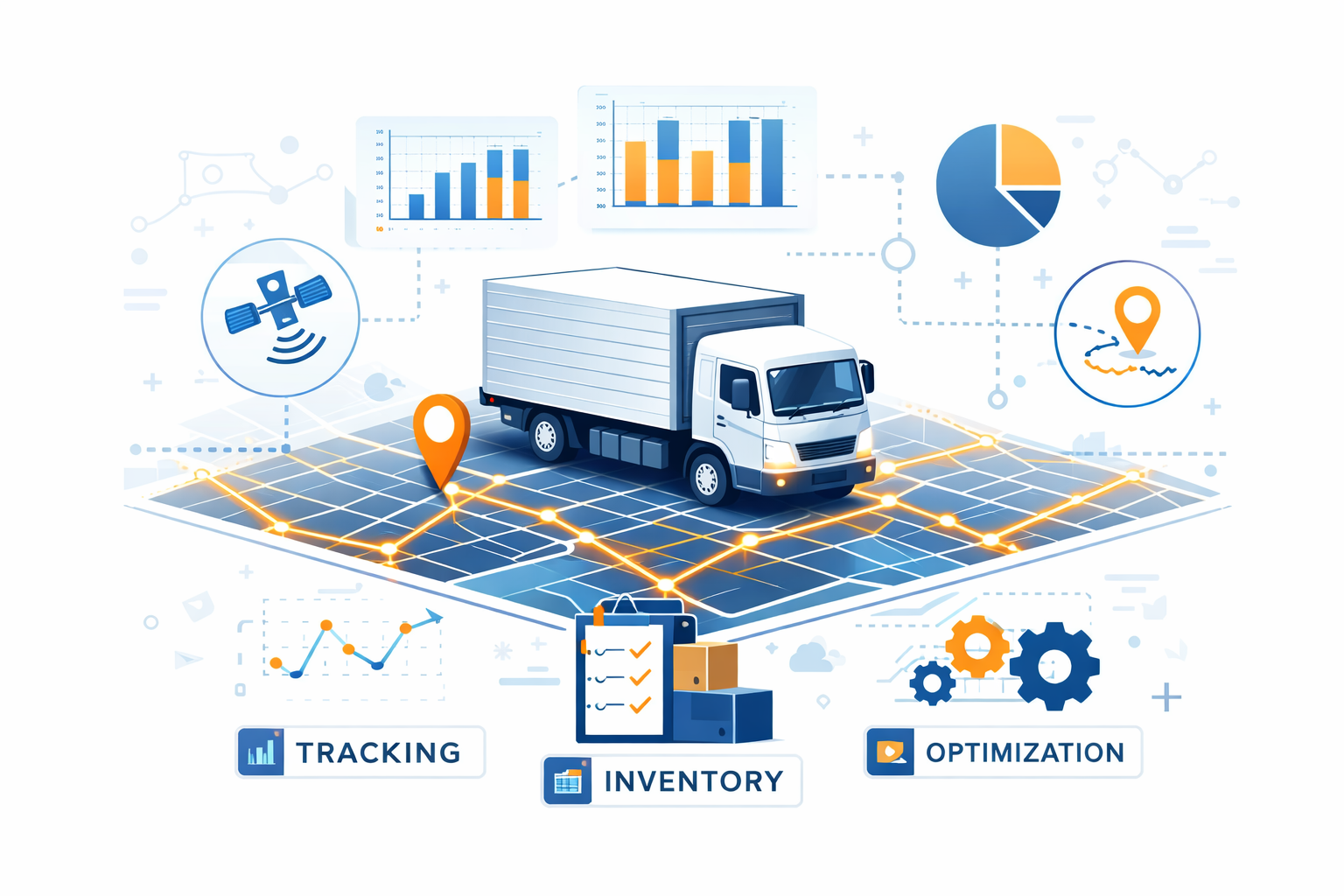
Data monitoring in logistics refers to the continuous tracking and analysis of operations across the supply chain. It involves collecting real-time data from multiple sources such as:
Shipments in transit
Warehouse inventory
Delivery performance
Customer interactions
The goal is simple: turn real-time data into smarter decisions.
Key Ways Data Monitoring is Transforming Logistics
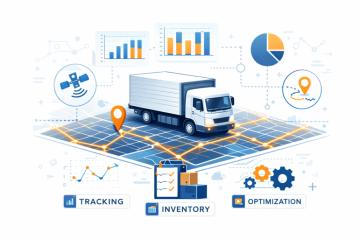
1. Real-Time Visibility Across the Supply Chain
Track shipments at every stage
Monitor delays instantly
Provide live updates to customers
Builds transparency and trust
2. Smarter Route Optimization
Analyze traffic patterns
Identify fastest delivery routes
Reduce fuel consumption
Faster deliveries + lower costs
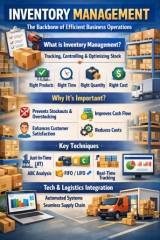
3. Improved Inventory Management
Monitor stock levels in real time
Predict demand fluctuations
Avoid overstocking or stockouts
Efficient warehouse operations
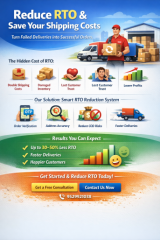
4. Reduction in RTO (Return to Origin)
Analyze failed delivery reasons
Track customer availability patterns
Optimize delivery attempts
Higher delivery success rate
5. Enhanced Customer Experience
Real-time order tracking
Accurate delivery timelines
Proactive communication
Happier and more loyal customers
6. Predictive Decision-Making
Forecast demand trends
Anticipate delays or disruptions
Plan resources efficiently
Stay ahead of problems
Technologies Driving This Transformation
Data monitoring is powered by advanced technologies:
Artificial Intelligence (AI) → Smart predictions & automation
Internet of Things (IoT) → Real-time tracking via sensors
Cloud Computing → Centralized data access
Big Data Analytics → Pattern recognition
Automation Tools → Reduced manual effort
Real Business Impact
Companies using data monitoring are seeing:
Faster delivery times
Reduced operational costs
Lower RTO rates
Better decision-making
Improved scalability
Future of Data Monitoring in Logistics
The future will be even more data-driven:
AI-powered logistics automation
Autonomous delivery vehicles
Advanced real-time dashboards
Predictive and prescriptive analytics
Logistics will become faster, smarter, and more efficient.
Final Thoughts
Data monitoring is no longer just a support function—it’s a core driver of logistics success.
Businesses that embrace it can:
Gain complete visibility
Make faster decisions
Deliver exceptional customer experiences.
Share:

0 Comments
Leave a reply