

Role of Technology in Reverse Logistics: Transforming Returns into Efficiency
Role of Technology in Reverse Logistics: Transforming Returns into Efficiency
Role of Technology in Reverse Logistics: Transforming Returns into Efficiency
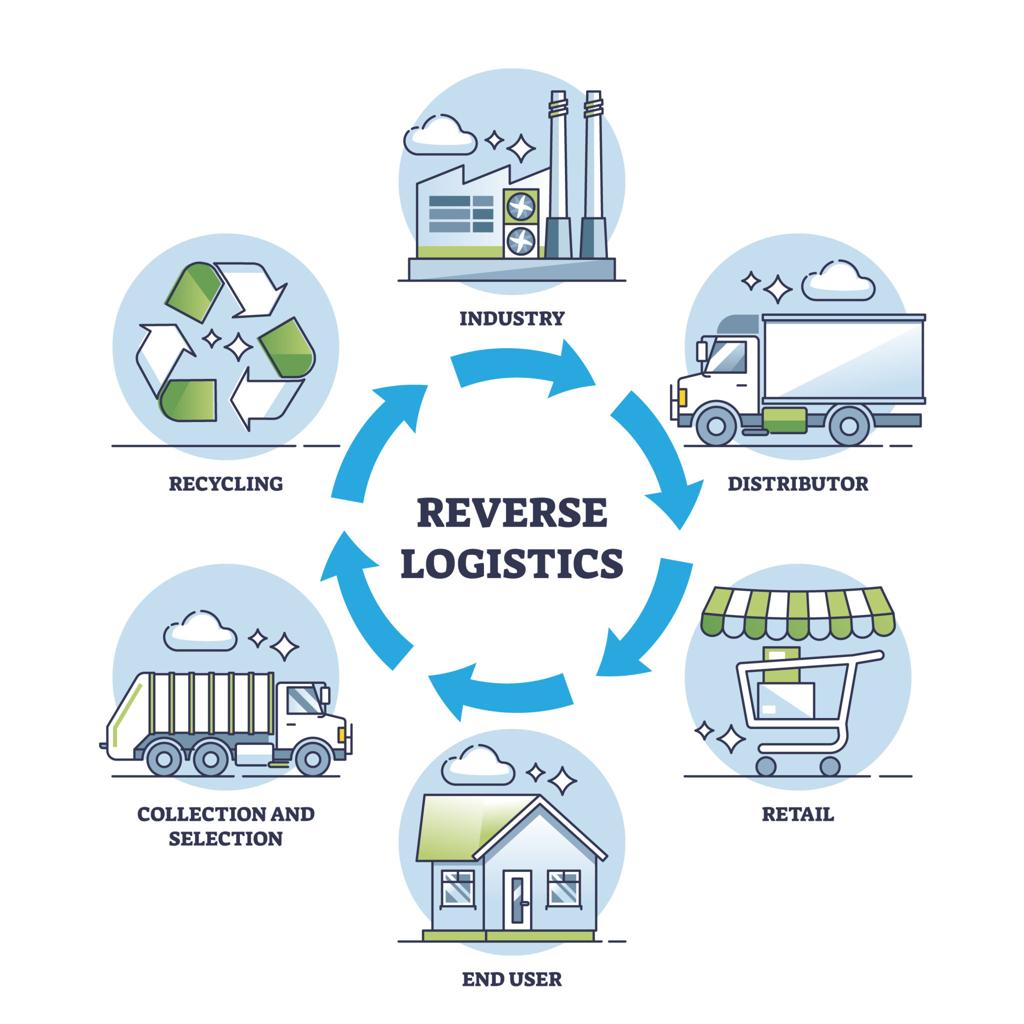
In today’s fast-paced eCommerce ecosystem, returns are unavoidable—but losses don’t have to be. Reverse logistics, once considered a cost center, is now becoming a strategic advantage, thanks to technology. From automated return requests to AI-powered analytics, technology is revolutionizing how businesses handle returns efficiently.
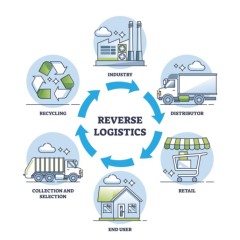
What is Reverse Logistics Technology?
- Reverse logistics technology refers to digital tools and systems that streamline the process of managing returned products—from pickup to refund or restocking.
- It helps businesses:
- Track returned shipments in real-time
- Automate return approvals
- Reduce manual errors
- Improve customer experience
Key Technologies Transforming Reverse Logistics
1. Returns Management Systems (RMS)
- Automates the entire return lifecycle:
- Customers can initiate returns
- Auto-approval based on policies
- Faster refund & replacement processing
- Result: Reduced workload & faster operations
2. Data Analytics & Insights
- Advanced analytics tools help identify:
- Why products are returned
- High-return locations or products
- Customer behavior patterns
- Result: Businesses can reduce future returns
3. Artificial Intelligence (AI)
- AI helps in:
- Predicting return probabilities
- Detecting fraud or fake return requests
- Automating decision-making
- Result: Smarter and faster reverse logistics
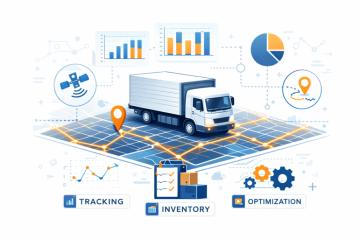
4. Real-Time Tracking Systems
- GPS and tracking integrations provide:
- Live status of return pickups
- Transparency for customers
- Better coordination between teams
- Result: Improved trust & visibility
5. Warehouse Automation
- Technologies like barcode scanning, RFID, and sorting systems:
- Speed up product inspection
- Reduce human errors
- Enable quick restocking
- Result: Faster turnaround time
6. Integration with Inventory Systems
- Reverse logistics tools sync with inventory:
- Auto-update stock levels
- Identify resellable items quickly
- Avoid overstocking or stock mismatch
- Result: Better inventory control
Benefits of Technology in Reverse Logistics
Faster return processing
Reduced operational costs
Lower Return-to-Origin (RTO) losses
Better customer satisfaction
Data-driven decision making
Challenges Without Technology
Manual errors in return handling
Slow refund processing
Poor visibility of returned goods
Higher operational costs
Dissatisfied customers
Future Trends in Reverse Logistics Technology
AI-driven automation
Predictive analytics for return reduction
Sustainable return solutions
Mobile-first return management
End-to-end integrated logistics platforms
Conclusion
Technology is no longer optional in reverse logistics—it’s essential. Businesses that adopt modern tools can turn returns into opportunities, reduce losses, and build stronger customer relationships.
Smart logistics isn’t just about delivery—it’s about handling returns intelligently.
Share:

0 Comments
Leave a reply